Register for FREE. Elite Member — $4/Month
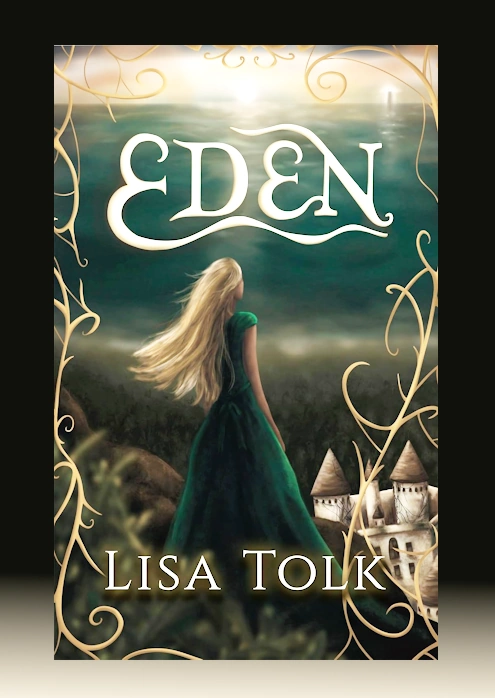
EDEN
Lisa Tolk
The Silence Between the Sentences: A Reflection on Pacing.
"Great stories are often built not by what we say, but by what we choose to omit. In the hollows of a narrative, the reader finds their own voice..."

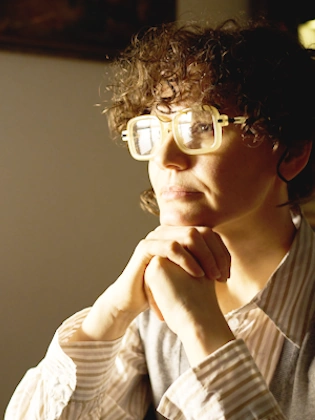
Dr. Elara Jensin
Novelist & Literary Critic
In the landscape of modern literature, we often find ourselves rushed. The pressure to maintain a relentless narrative drive—to keep the 'page-turning' momentum—frequently comes at the expense of the reader's introspection. Yet, some of the most profound moments in a story occur when the author stops speaking.
Consider the pauses in a conversation, the breath before a revelation, or the empty rooms described in a character's absence. These are not merely gaps; they are the architectural supports of meaning. By stepping back, the writer creates an invitation. They provide the space for the reader's own memories, fears, and hopes to seep into the text, making the experience collaborative rather than passive.
Pacing is not just about the speed of events; it is about the rhythm of emotional impact. A story that is all climax is exhausting; a story that is all exposition is dull. The mastery lies in the transition—the slow deceleration that allows a significant moment to resonate long after the sentence has ended.
As creators, our duty is to trust our audience. We must believe that they don't need every emotion mapped or every consequence detailed. By mastering the silence between our sentences, we offer the greatest gift a writer can provide: the freedom for the reader to dream within the boundaries of our words.


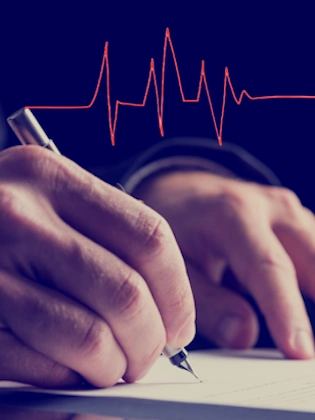
Crafting Resonance: The Power of Emotional Beats.
"At the heart of every unforgettable scene lies an emotional beat—a shift in the character's internal landscape that ripples through the narrative..."
Dr. Elara Jensin
Novelist & Literary Critic
An emotional beat is the smallest unit of change in a story. It occurs when a character reacts to a stimulus in a way that shifts their internal state. Without these shifts, a scene is merely a series of actions without consequence. To master resonance, one must map these beats with precision.
Ask yourself: What is the emotional temperature of the room before the dialogue begins? How does a single word or a glance change the power dynamic between characters? The resonance is found in the delta between the expectation and the realization.
In the edit, look for flat moments where characters are simply moving from point A to point B. Inject an internal reflection or a sensory reaction. These beats allow the reader to synchronize their heartbeat with the protagonist's, creating the deep empathy that defines great literature.
Consistency in these beats builds a character's emotional architecture. By the climax, the reader should not only know what the character does, but feel the weight of why they do it. This is the essence of crafting resonance.
StoryLife™ Learning
Ready to Go Deeper?
Building Characters — your first structured writing craft course — is waiting. Chapter 1 is free with any registration. Upgrade to Elite for all 8 chapters.
The Writing Lab
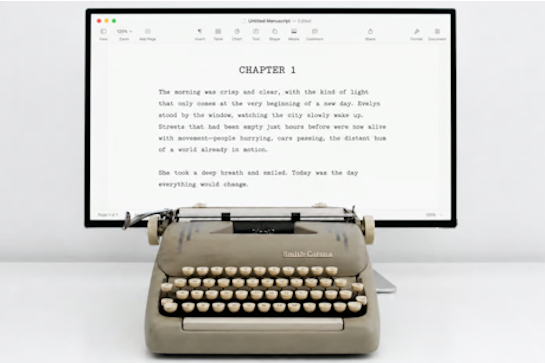
The Renaissance of Physical Manuscripts in a Digital Age.
"There is an undeniable intimacy in the scratch of a nib against paper that a cursor can never replicate."
Exploring why modern authors are returning to tactile methods to find their flow. From fountain pens to antique typewriters, the 'Analog Revived' movement is more than just nostalgia.
For nearly four decades, the personal computer has been the unquestioned companion of writers. The blinking cursor replaced the typewriter's carriage return. Cloud storage replaced filing cabinets. Spellcheck quietly corrected our mistakes before anyone else could see them.
Yet something unexpected is happening.
A growing number of novelists, journalists, poets, and screenwriters are voluntarily stepping away from the conveniences of modern software and returning to tools many assumed had disappeared forever: fountain pens, leather journals, legal pads, and even century-old manual typewriters. It's less a rejection of technology than a deliberate search for something technology often struggles to provide—undivided attention.¹
This isn't about nostalgia. It's about creative focus.
Slowing Down to Move Forward
Ask any writer what interrupts their work, and the answer rarely involves a lack of ideas. More often, it's the constant stream of distractions that accompanies digital life. A quick fact check becomes twenty minutes on the internet. One email turns into six. A social media notification quietly steals the momentum of an entire chapter.
Analog writing removes those temptations.
A notebook never asks you to update your software. A typewriter doesn't flash incoming messages. There are no tabs to open, no hyperlinks to chase, and no endless opportunities to revise a single sentence before the story has had a chance to breathe.
Many writers describe the experience as surprisingly liberating. Instead of editing while they create, they simply create.²
The Psychology of Commitment
There's another reason analog writing feels different.
Every handwritten word requires intention. Every keystroke on a manual typewriter leaves a permanent impression on the page. Mistakes aren't erased with a keyboard shortcut—they're crossed out, worked around, or accepted as part of the process.
Ironically, those imperfections can become an advantage.
Without the luxury of endless editing, writers often move through first drafts more confidently. The internal critic grows quieter because perfection is no longer an option. Instead of polishing individual sentences, the mind remains focused on telling the story.
Many authors have discovered that their most authentic voice appears when they stop trying to make every paragraph perfect.
More Than Nostalgia
The renewed interest in analog writing isn't limited to established authors.
Vintage typewriter repair shops report growing demand from younger buyers, many of whom grew up without ever using one. Online communities devoted to fountain pens, journals, and manual typewriters have expanded rapidly, while social media—ironically enough—has become a showcase for handwritten pages, restored Smith-Coronas, and the satisfying rhythm of mechanical keys striking paper.³
The movement parallels the resurgence of vinyl records, mechanical watches, and film photography. In each case, people aren't necessarily claiming the older technology is superior. They're choosing experiences that feel more deliberate and tangible in an increasingly digital world.
Writing in the Age of Artificial Intelligence
Artificial intelligence has added another dimension to the conversation.
As AI tools become increasingly capable of generating text, many writers are rediscovering the value of composing by hand—not because handwritten pages are inherently better, but because the process feels unmistakably personal. Educators have also begun experimenting with handwritten assignments and even manual typewriters as a way to encourage deeper engagement with language and independent thinking.⁴
The page becomes a place where every hesitation, revision, and breakthrough belongs entirely to the author.
- No predictive text.
- No autocomplete.
- No algorithm suggesting the next sentence.
- Just one mind meeting one blank page.
The Return of the First Draft
Few professional authors finish a manuscript exactly as they first write it. Nearly every story eventually finds its way into digital software for editing, formatting, collaboration, and publication.
The analog revival isn't about abandoning computers.
It's about changing where the creative journey begins.
Many writers now draft scenes in notebooks before transferring them into Scrivener or Word. Others outline by hand before moving to a keyboard. Some complete entire novels on restored typewriters before scanning each page into a computer for revision.
The destination remains digital.
A Different Kind of Creativity
Perhaps the greatest gift of handwriting is that it asks us to slow down.
The pace of the pen encourages reflection. The weight of a fountain pen, the texture of quality paper, or the unmistakable clack of a typewriter reminds us that writing has always been more than arranging words. It is a physical act of imagination.
Long before there were word processors, stories changed lives.
They still do.
Sometimes all it takes to hear your own voice again is the quiet sound of ink meeting paper.
Perhaps the future of storytelling won't be defined by choosing between analog and digital, but by understanding the strengths of both. Fountain pens, typewriters, and AI each have their place in the creative process. What matters isn't the instrument—it's the storyteller behind it. The stories that endure have always begun the same way: with a single idea, nurtured by a human imagination willing to put words on a page.
SOURCES
1. John Yang, "Why Typewriters Are Having a Renaissance in the Digital Age," PBS NewsHour, October 5, 2024.
2. Hua Hsu, "Can 'Distraction-Free' Devices Change the Way We Write?" The New Yorker, December 20, 2021.
3. PBS NewsHour, Why Typewriters Are Having a Renaissance in the Digital Age, reporting on the renewed popularity of vintage typewriters, repair shops, and younger enthusiasts.
4. Claire Bryan, "A College Instructor Turns to Typewriters to Curb AI-Written Work and Teach Life Lessons," Associated Press, April 2026.
Shadow Work: The New Noir in Cover Design.
Minimalism meets mystery in the latest wave of award-winning book covers.
VIEW GALLERY
Publishing Pulse
The shifting landscape of boutique literary agencies in 2026.
Inspiration & Resources
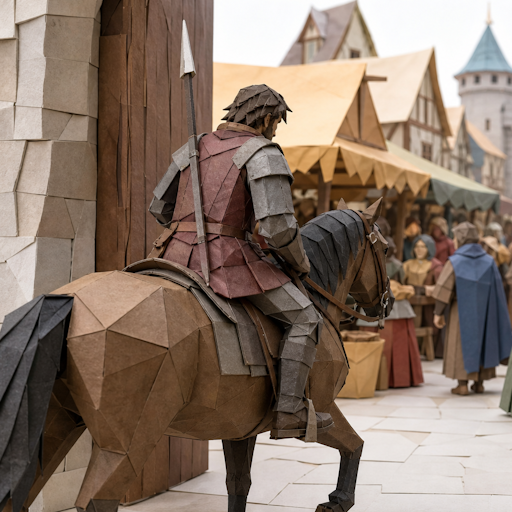
Ready to discover Medieval Fantasy story ideas for free?
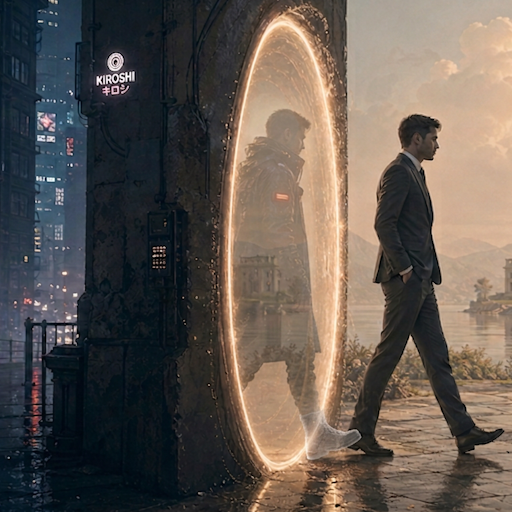
What you need to know about writing in this genre. Are you ready to explore?
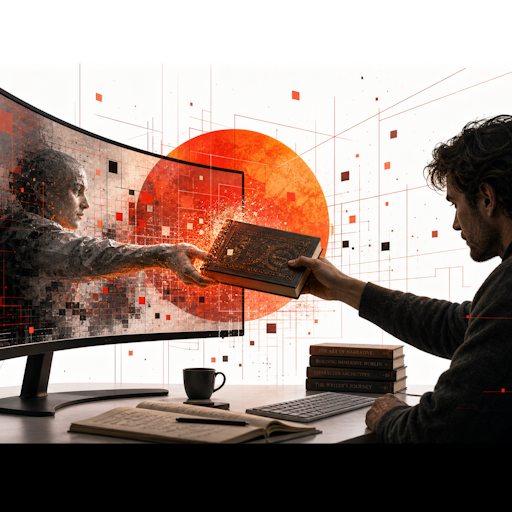
The best authoring tool with a one-time low fee but with unbelievable features!
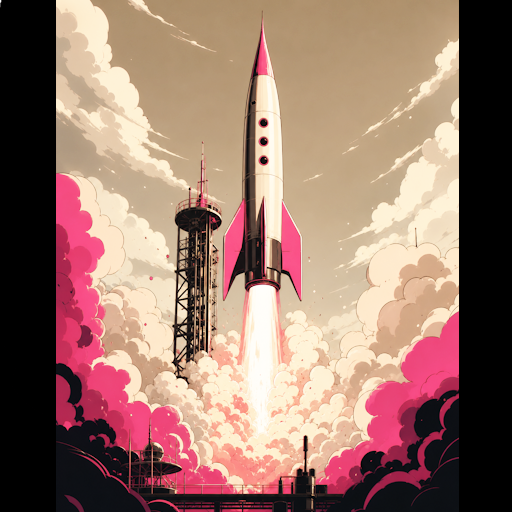
Sci-Fi writers, find details about Space 2.0, information that is often lost or hard to find.
Join the Writers Hub
Connect with a community built for storytellers. Share your work, grow your audience, and get discovered — one story at a time.
Join Our Community
Welcome to the StoryLife™ Community!
We're thrilled to have you. Watch your inbox — great things are coming your way.